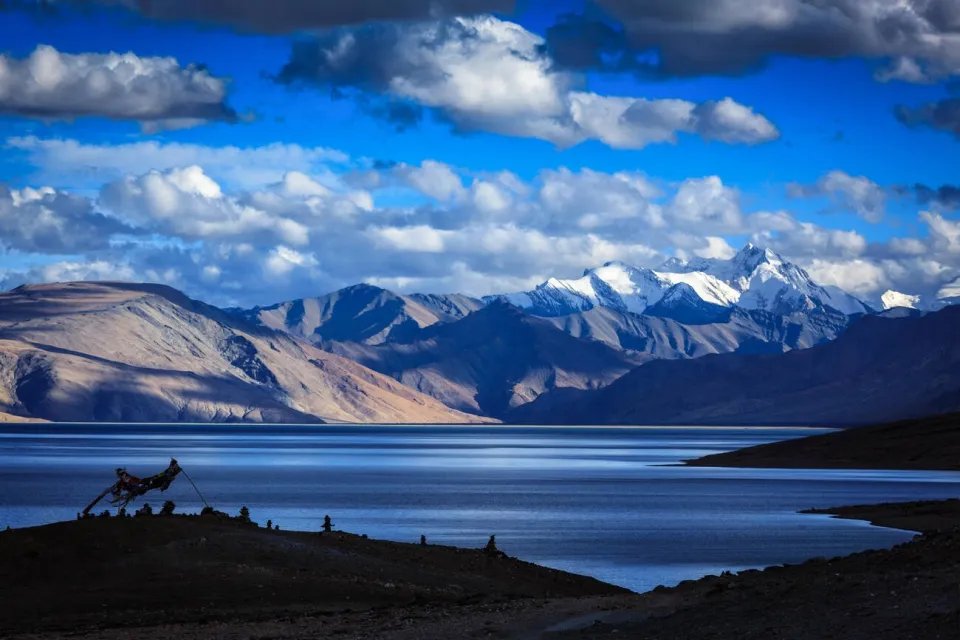

Many of India's most spectacular destinations lie at high altitude – Leh, Spiti, Kedarnath, Gurudongmar Lake and Tso Moriri among them. The thin air at these heights can affect anyone, regardless of age or fitness. Understanding altitude sickness and planning your itinerary sensibly is the best way to enjoy these places safely.
This guide is general information only. Always consult a doctor before high-altitude travel, especially if you have any medical condition.
What Is Altitude Sickness?
As you go higher, air pressure drops and each breath contains less oxygen. Your body needs time to adapt. When you climb too fast, you may develop Acute Mountain Sickness (AMS). In rare cases this can progress to serious conditions affecting the lungs (HAPE) or brain (HACE), which are medical emergencies.
Symptoms can begin above roughly 2,500 metres and become more common higher up.
Common Symptoms of AMS
- Headache
- Nausea or loss of appetite
- Dizziness or light-headedness
- Fatigue and weakness
- Difficulty sleeping
Warning Signs Needing Immediate Action
- Breathlessness even at rest
- Persistent cough, sometimes with frothy sputum
- Confusion, unusual behaviour or drowsiness
- Loss of balance or coordination
- Severe headache not relieved by rest
If these appear, descend immediately and seek medical help.
High-Altitude Destinations in India
- Leh (about 3,500 m) and passes such as Khardung La and Chang La.
- Pangong Tso, Tso Moriri, Hanle and Umling La – much higher.
- Spiti – Kaza (about 3,800 m), Komic, Hikkim and Kunzum La.
- Kedarnath (about 3,580 m) and Badrinath.
- North Sikkim – Gurudongmar Lake (over 5,000 m), Zero Point and Tsomgo Lake.
- Chandrashila (about 4,000 m) on the Chopta trek.
How to Acclimatise
- Ascend gradually: for example, enter Spiti via Kinnaur, or Ladakh via Srinagar.
- Rest on arrival: spend the first day in Leh doing nothing strenuous.
- Climb high, sleep low: visit high passes but sleep at lower altitudes.
- Limit time at the highest points: short photo stops at places like Khardung La, Umling La and Gurudongmar.
- Build buffer days: do not rush to tick off destinations.
Hydration, Food and Habits
- Drink water regularly; dehydration worsens symptoms.
- Eat light, carbohydrate-rich meals.
- Avoid alcohol and smoking, especially in the first days.
- Avoid sleeping pills unless prescribed.
- Dress warmly – cold adds stress to the body.
Medication
Some travellers are prescribed medicines such as acetazolamide to help acclimatisation. Only take medication on the advice of a qualified doctor, who can check suitability and dosage for you.
Who Should Take Extra Care?
- People with heart, lung or blood-pressure conditions
- Pregnant travellers
- Infants and young children
- Elderly travellers
- Anyone who has had altitude sickness before
These travellers should seek medical advice and may be advised to avoid very high places like Gurudongmar or Umling La.
Oxygen and Emergency Support
Carrying a portable oxygen cylinder in your vehicle is common on Ladakh and North Sikkim trips. Know where the nearest medical facilities are – Leh has a hospital, and army and health posts exist on some routes. Travel insurance that covers high-altitude evacuation is worth considering.
Destination-Specific Tips
Ladakh
Spend at least one full rest day in Leh. Visit Nubra before Pangong, and go to Hanle and Umling La only after a few days.
Spiti
The Kinnaur route allows gradual acclimatisation. Spend a night at Kalpa or Nako before Kaza.
Kedarnath
The challenge is the trek at altitude. Walk slowly, rest often and consider staying overnight.
North Sikkim
Stay in Gangtok first, then Lachen, before visiting Gurudongmar early in the morning.
Packing Checklist
- Warm layers, cap and gloves
- Refillable water bottle
- Personal medicines and first-aid kit
- Pulse oximeter (useful for monitoring)
- Sunscreen and sunglasses
Frequently Asked Questions
At what altitude does altitude sickness start?
Symptoms can appear above roughly 2,500 metres, becoming more common higher up.
How can I avoid altitude sickness in Ladakh?
Rest for at least a day in Leh, ascend gradually, stay hydrated, avoid alcohol and limit time at very high passes.
Should I take medicine for altitude sickness?
Only on the advice of a qualified doctor who can assess your health.
Is it safe for children to go to Gurudongmar Lake?
Because of the extreme altitude, families with young children should consult a doctor; many are advised not to go.
What should I do if symptoms worsen?
Descend immediately and seek medical help.
Plan Your Trip with On Travel
Our mountain itineraries are planned with acclimatisation days, experienced drivers and oxygen backup on high-altitude routes.
- Phone / WhatsApp: +91 9220564155
- Email: info@ontravel.in
Plan Your Trip with On Travel
Ready to go? These itineraries cover the places in this guide and can be customised to your dates and budget:
Make the journey your own.
Explore itineraries inspired by the places in this guide.
Explore tour packages