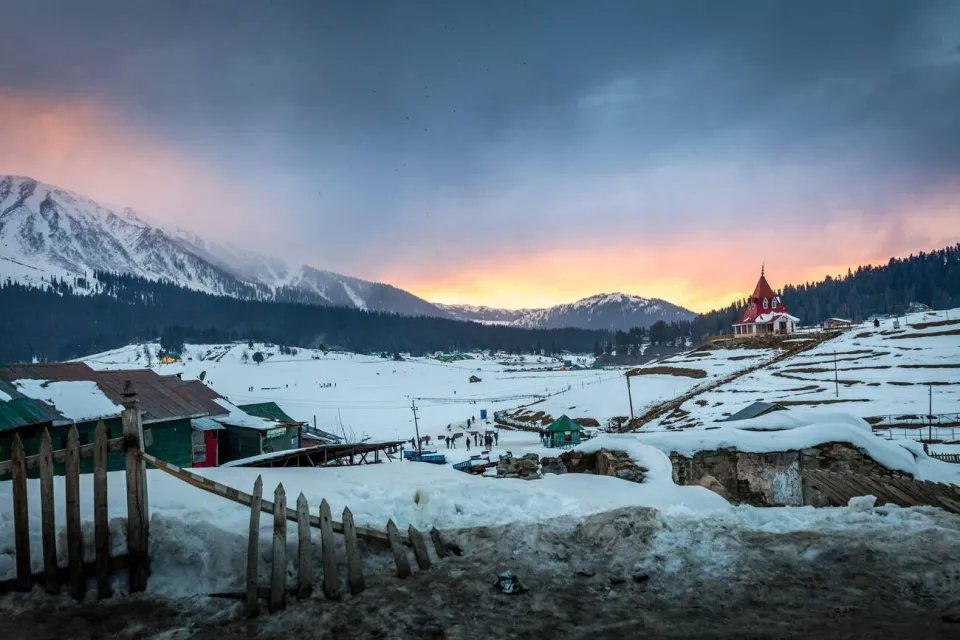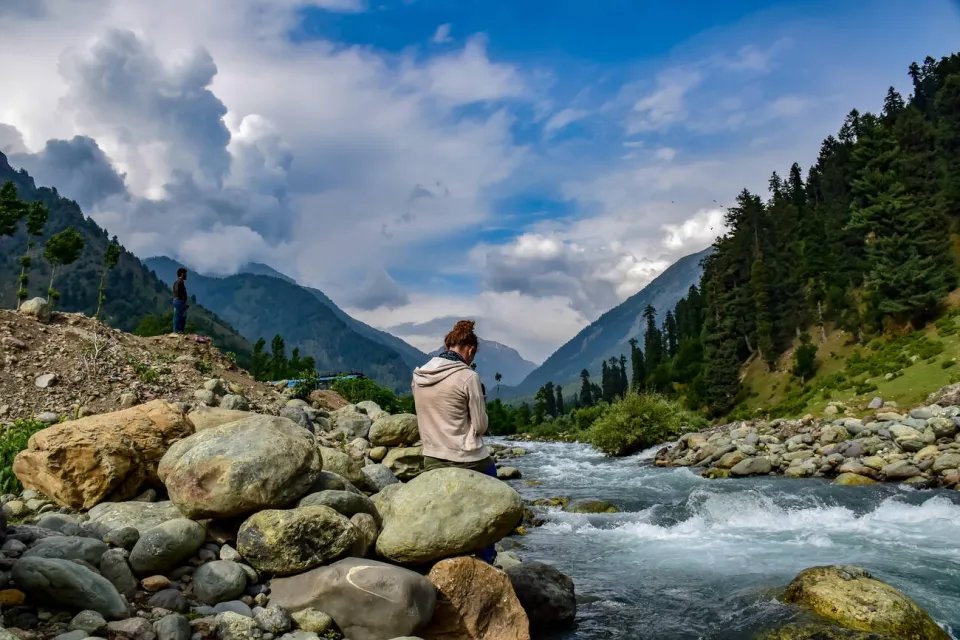

Kashmir in winter is a different place from the green valley of summer. From mid-December to February, Gulmarg turns into one of Asia's best-known ski slopes, Dal Lake's edges sometimes freeze, and the pine forests around Pahalgam sit under a thick white blanket. It is also the season that sells out fastest around Christmas and New Year, so a little planning goes a long way.
When Does It Snow in Kashmir?
- Late November to mid-December: first snowfall in Gulmarg and Sonmarg is common, but it is unpredictable. Srinagar is cold and dry.
- 21 December to 31 January – Chillai Kalan: the 40 harshest days of winter. Temperatures in Srinagar regularly drop below 0°C at night; Gulmarg can fall to –10°C or lower. Snowfall is most reliable now.
- February: still excellent for snow, with slightly longer, sunnier days. A good month for first-time skiers.
- March: snow starts melting in Srinagar but Gulmarg's upper slopes usually hold snow into the month.
If seeing snow is the main goal, plan for late December to mid-February and keep one buffer day in case of road closures. Check the forecast on the India Meteorological Department site a few days before you fly.
Best Places for Snow
Gulmarg
The headline winter destination. The Gulmarg Gondola climbs in two phases – Phase 1 to Kongdori and Phase 2 towards Apharwat peak (around 4,000 m). Phase 2 often closes on windy or heavy-snow days, so try for an early morning slot. Beginners can take skiing lessons on the gentle slopes near the base; equipment and instructors are available locally.
Sonmarg
Sonmarg receives heavy snow and the road beyond Gagangir is frequently closed in peak winter. When it is open, the drive along the Sindh river is spectacular. Treat Sonmarg as a "bonus" day trip that depends on the weather.
Pahalgam
Pahalgam's Betaab and Aru valleys look stunning under snow. Some excursion points close in deep winter, but the town itself is calm, cosy and much less crowded than in summer.
Srinagar
Srinagar gets occasional snowfall, which turns the Mughal gardens and houseboats into postcard scenes. A shikara ride on a crisp winter morning, with kangri-warmed boatmen and kahwa, is a highlight.
Getting There in Winter
Srinagar airport is well connected to Delhi, Mumbai and other metros. Morning flights can be delayed by fog in Delhi and occasionally by snow in Srinagar, so avoid tight connections. The Jammu–Srinagar highway (NH44) through the Navyug and Banihal tunnels can close after heavy snow – flying in is far more reliable than driving in winter. Rail services on the Kashmir valley line are another option; check current schedules on IRCTC.
What to Pack
- Thermal innerwear (two sets), fleece, and a proper down or padded jacket
- Waterproof boots with good grip – roads and paths get icy
- Woollen cap, gloves and socks; sunglasses for snow glare
- Moisturiser and lip balm – the air is very dry
- Power bank – cold drains phone batteries quickly
Snow boots, long coats and gumboots can also be rented in Gulmarg for a small daily fee.
How Much Does a Winter Kashmir Trip Cost?
Costs rise sharply around Christmas and New Year. As a rough guide for two people sharing:
- Budget (3-star, shared/standard cab): ₹30,000–₹45,000 for 5 nights excluding flights
- Mid-range (good hotels, a houseboat night, private cab): ₹45,000–₹70,000
- Premium (luxury hotels in Gulmarg, ski lessons): ₹80,000 and above
Add Gondola tickets, ski equipment hire and heater charges, which some hotels levy separately in winter. Our Kashmir trip cost guide breaks this down further.
Sample 6-Day Winter Itinerary
- Day 1: Arrive Srinagar, check into a heated houseboat, evening shikara ride.
- Day 2: Srinagar sightseeing – Shankaracharya Temple, Nishat and Shalimar gardens (bare but beautiful in snow).
- Day 3: Transfer to Gulmarg, Gondola Phase 1, snow play.
- Day 4: Gulmarg – ski lesson or Phase 2 Gondola if open.
- Day 5: Drive to Pahalgam via saffron fields at Pampore; snow walk at Betaab Valley.
- Day 6: Return to Srinagar for your flight.
Winter Travel Tips
- Book Gulmarg hotels early; many fill up by October for New Year.
- Prefer hotels that clearly mention central heating or heated blankets.
- Hire a local cab with snow chains – drivers in Kashmir handle icy roads well.
- Carry cash; ATMs in Gulmarg and Pahalgam can run dry on busy days.
- Respect local customs and dress modestly when visiting shrines.
For official updates on attractions and advisories, see J&K Tourism Development Corporation.
Plan Your Winter Kashmir Trip
All of these packages can be adjusted for snow season, with heated rooms and flexible Gulmarg days. Browse every option on our Kashmir tour packages page or start with one of these:
- Kashmir Winter Expedition – 5 Nights / 6 Days
- Romantic Kashmir – Srinagar, Gulmarg & Pahalgam, 7 Nights / 8 Days
- Kashmir Grand Tour – Srinagar, Sonmarg, Gulmarg & Pahalgam, 6 Nights / 7 Days
- Kashmir Honeymoon – Houseboat, Gulmarg, Pahalgam & Sonmarg, 5 Nights / 6 Days
- Kashmir in Spring – Tulips, Meadows & Lakes, 5 Nights / 6 Days
Related reading: Gulmarg winter travel guide · Pahalgam travel guide · Kashmir honeymoon guide
Frequently Asked Questions
Which month is best for snow in Kashmir?
January is the most reliable month for snow, followed by late December and February.
Is Kashmir safe to visit in winter?
Yes. Tourist areas such as Srinagar, Gulmarg and Pahalgam receive many winter visitors. The main risks are weather related – icy roads and occasional flight delays – so keep buffer time.
Can beginners ski in Gulmarg?
Yes. Gulmarg has gentle beginner slopes and certified local instructors; a two- or three-day lesson package is enough to get started.
Is the Gulmarg Gondola open in winter?
Phase 1 usually operates through winter. Phase 2 depends on wind and snow conditions and may close for a day or more at a time.
How cold is Srinagar in January?
Daytime temperatures hover around 2–7°C and nights often drop to –2°C to –6°C.
Make the journey your own.
Explore itineraries inspired by the places in this guide.
Explore tour packages